Mapping the Interplay of Core Mechanics and Digital Prep Tools for Competitive Play in Europe's Mountain Regions
Geschrieben von Logan Russell · 16.11.2026
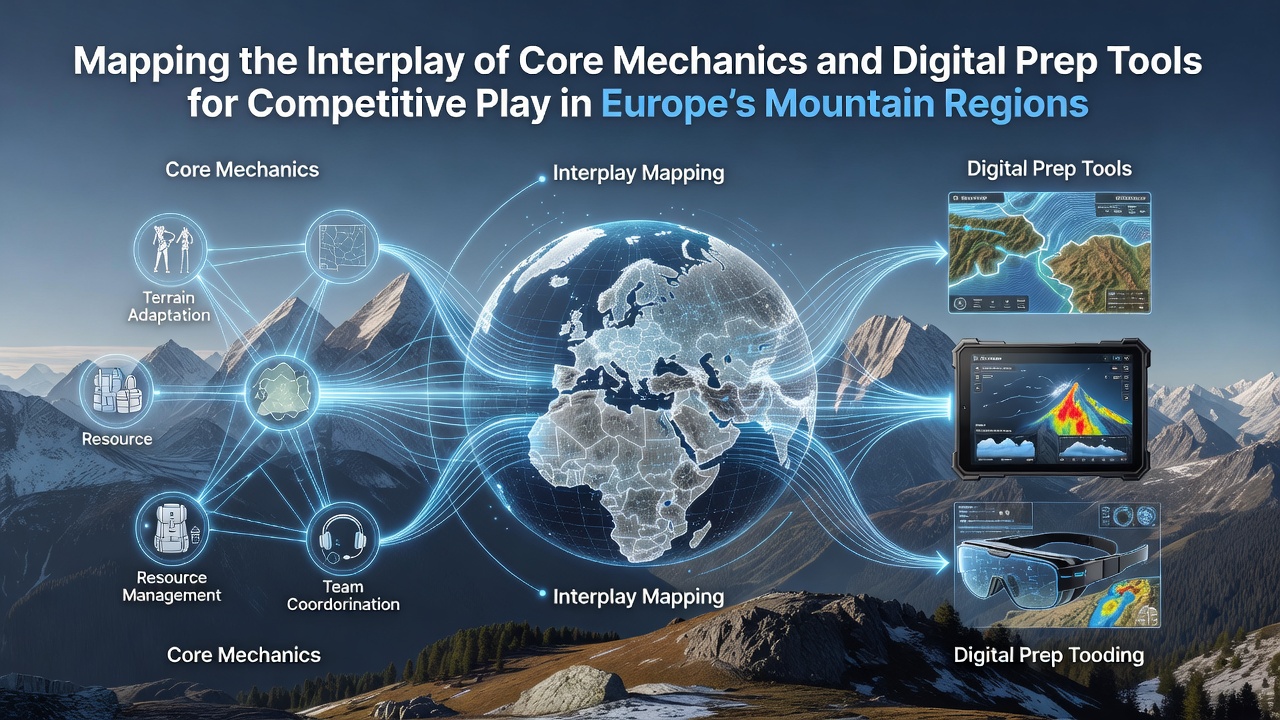
Mapping the Interplay of Core Mechanics and Digital Prep Tools for Competitive Play in Europe's Mountain Regions
Competitive play in Europe's mountain regions draws on established physical and strategic frameworks that athletes refine through targeted digital resources, and observers note how these elements combine to shape performance outcomes in disciplines such as ski mountaineering and alpine climbing circuits. Data from training programs across the Alps and Carpathians show that core mechanics like balance distribution, route assessment, and energy management form the foundation while software platforms supply simulation environments and progress tracking.
Core Mechanics in Mountain-Based Competition
Balance distribution requires precise weight shifts during ascent and descent phases, whereas route assessment involves real-time evaluation of terrain stability and weather variables, and energy management dictates pacing strategies over extended vertical distances. Studies conducted by research teams at institutions in Austria and Switzerland indicate that athletes who master these interconnected skills achieve measurable improvements in completion times during sanctioned events. Equipment calibration plays an equally central role because crampon placement and harness tension directly influence safety margins in technical sections.
Integration of Digital Preparation Platforms
Digital tools now supply layered data streams that translate core mechanics into repeatable drills, and platforms designed for alpine athletes incorporate GPS overlays with elevation models to replicate specific route profiles. These systems allow users to input historical performance metrics and receive adjusted training loads that align with upcoming competition calendars. In November 2026 several regional federations schedule preparatory camps that rely on such software to coordinate group sessions across multiple valleys.
One program developed through collaboration between engineering departments and national sports bodies uses motion-capture integration to break down stride patterns on simulated slopes, and participants review frame-by-frame feedback to correct micro-adjustments in posture. Another set of applications focuses on weather pattern forecasting drawn from meteorological agencies, enabling competitors to model wind and visibility impacts days before events begin. Figures released by the European Mountaineering Association reveal increased adoption rates of these combined hardware and software packages among licensed athletes between 2024 and 2026.
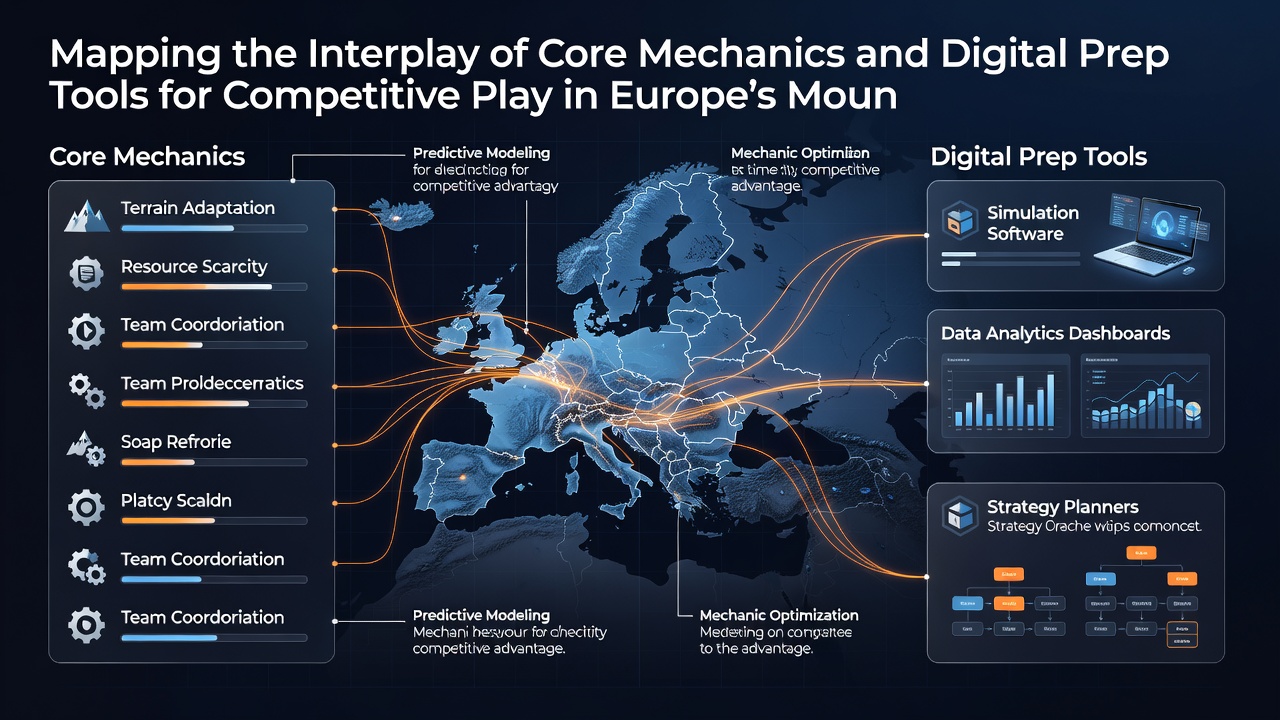
Regional Examples and Tool Deployment
Across the Dolomites, teams preparing for multi-day traverses upload daily sensor readings into centralized dashboards that compare individual outputs against group benchmarks, and coaches adjust subsequent sessions accordingly. In the Pyrenees similar workflows incorporate virtual reality modules that recreate crevasse navigation scenarios, allowing repeated practice without physical exposure to hazards. A report issued by the Swiss Federal Institute of Sport documents how these methods correlate with reduced injury rates during competitive seasons.
Regulatory frameworks established by national alpine associations require documented training logs before athletes receive event accreditation, and digital platforms streamline compliance by generating exportable records that meet those standards. What's interesting is how data synchronization between mobile devices and desktop analysis suites permits remote consultation with specialists located in different mountain ranges. Observers note that this connectivity proves especially useful when weather windows limit on-site gatherings.
Emerging Patterns in Tool Usage
Research indicates that athletes combine multiple applications rather than relying on single solutions, pairing biomechanical analysis with nutritional timing calculators and sleep quality monitors. Such layered approaches produce comprehensive profiles that feed back into core mechanic refinement cycles. In the lead-up to November 2026 events, several federations announce expanded access to shared server resources that host anonymized datasets from prior competitions, giving emerging competitors reference points for their own preparations.
Industry reports from organizations tracking outdoor recreation technology highlight steady growth in subscription-based services that update terrain maps seasonally, and these updates incorporate newly surveyed sections resulting from glacial movement or rockfall activity. Athletes therefore maintain current knowledge of changing conditions while practicing decision-making protocols through scenario-based modules.
Conclusion
The documented interplay between foundational movement principles and evolving digital resources continues to influence preparation routines for competitive formats throughout Europe's mountain zones, and available evidence shows measurable effects on both safety records and performance consistency. Continued monitoring by academic and federative bodies will clarify longer-term trends as new iterations of these tools reach wider user bases.