Charting Strategy Pathways from Rule Foundations to Digital Tournament Formats in Alpine Markets
Geschrieben von Willa Klein · 2.11.2026
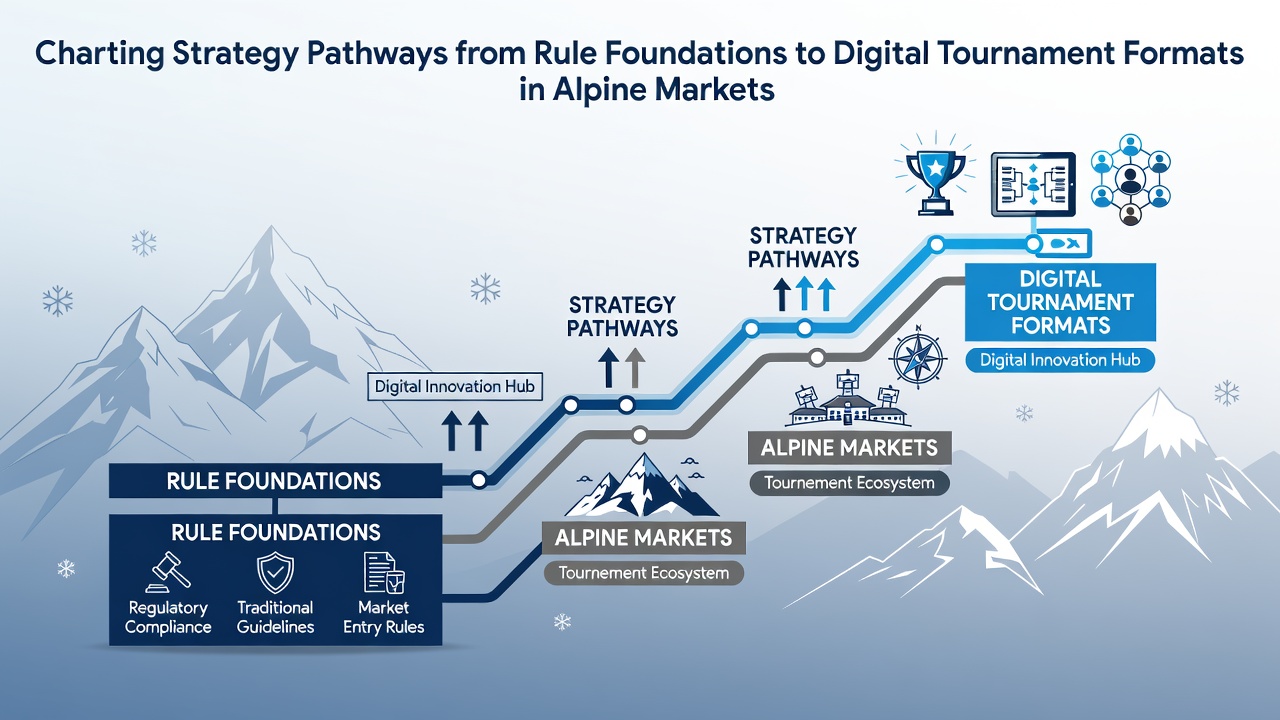
Charting Strategy Pathways from Rule Foundations to Digital Tournament Formats in Alpine Markets
Rule foundations in poker establish the core mechanics that players across alpine markets rely on when building initial strategies, and those foundations include standard hand rankings, betting structures, and positional play that remain consistent whether games occur in physical venues or digital environments. Data from regulatory filings shows that Austria and Switzerland maintain strict licensing requirements that tie these basics to licensed operators, which creates a pathway where new participants learn through supervised sessions before advancing to competitive formats.
Rule Foundations Shape Early Strategic Development
Basic rules dictate how strategies emerge in the early stages of player development, and observers note that participants in alpine regions often start with cash game structures that emphasize pot odds and implied odds calculations before they explore tournament variations. Research from academic sources indicates that these foundational elements appear in training materials distributed by licensed operators, while figures from industry reports reveal steady growth in structured learning programs that connect rule knowledge directly to decision trees used in live settings. Players in Austria frequently reference guidelines issued by the Austrian Federal Ministry of Finance when they review compliance requirements that influence how strategies adapt to local tax and operational standards.
Strategy pathways extend from these rules through repeated practice, and those who've studied participation patterns report that alpine markets show distinct preferences for limit and pot-limit variants that reward patience and position awareness. Case examples from Swiss tournament circuits demonstrate how early exposure to rule-based drills leads participants toward more complex bluffing sequences once they master the initial layers.
Transition to Tournament Formats in Physical Alpine Venues
Tournament formats introduce new variables such as stack sizes, blind increases, and payout structures that build upon the same rule foundations yet demand adjusted risk assessments. Evidence from regional operators shows that events held in Innsbruck and Zurich incorporate these elements while adhering to licensing frameworks that require transparent rules for all entrants. Data indicates that November 2026 will see several scheduled series in these locations that emphasize mid-stakes buy-ins, allowing participants to test strategy adaptations in controlled environments that mirror broader European standards.
Observers have documented how physical tournaments serve as testing grounds where players refine pathways from rule comprehension to real-time adjustments, and one study from a Central European research institution highlighted correlations between consistent rule application and improved survival rates through early tournament stages. Those patterns carry forward when digital platforms replicate the same structures.
Digital Tournament Formats Expand Access Across Alpine Markets

Digital tournament formats replicate physical structures while adding layers such as multi-table options and automated timing that require players to extend their rule-based strategies into software-mediated environments. Figures from licensed platforms reveal increased engagement from alpine users who transition from live events to online qualifiers, and these shifts occur under oversight from bodies like the Swiss Federal Gaming Board that enforce identical rule sets across both mediums. Strategy pathways therefore evolve through interface familiarity, where participants learn to integrate timing tells and stack management tools that complement traditional calculations.
What's notable is how digital systems preserve the core rules while enabling data tracking that helps refine individual approaches, and reports from European gaming associations confirm that such tools appear in training modules offered by operators serving Austria and neighboring regions. Participants who progress through these formats often apply the same positional concepts they first encountered in rule explanations, now adjusted for screen-based decision speeds.
Regulatory Frameworks Support Strategy Evolution
Regulatory updates in alpine jurisdictions continue to shape how strategies develop from foundations to digital applications, and information released by the Austrian Ministry of Finance outlines licensing criteria that tie operator approvals to clear rule documentation and fair tournament mechanics. This environment encourages operators to provide resources that guide users along consistent pathways, and evidence suggests that compliance standards help maintain uniformity even as formats move online. In November 2026, anticipated reviews of digital licensing may further align these frameworks across Austria and Switzerland.
Industry data shows that players who follow these regulated pathways demonstrate measurable improvements in adapting rule knowledge to varied tournament speeds and structures, while external analyses from university-led projects track participation trends that link foundational training to sustained digital engagement.
Conclusion
Strategy pathways in alpine markets trace a direct line from rule foundations through tournament adaptations to digital implementations, and the connections between these stages remain anchored in consistent regulatory oversight and operator resources. Information compiled from multiple sources confirms that participants who master early rule applications continue to build on those skills as formats evolve, with November 2026 positioned to introduce additional digital options that extend existing structures. The result is a documented progression that links foundational elements to contemporary tournament participation across the region.